Profiles and sizes
Rice, cereal, soup, pasta, serving and specialty bowl profiles can be reviewed.

FENN develops custom ceramic bowls for retail, hospitality, food-service, and lifestyle brands. Diameter, depth, usable capacity, rim design, stackability, glaze, decoration, food-contact requirements, packing, expected volume, and set coordination are defined before sampling and production planning for the target market.
Discuss Your Bowl Project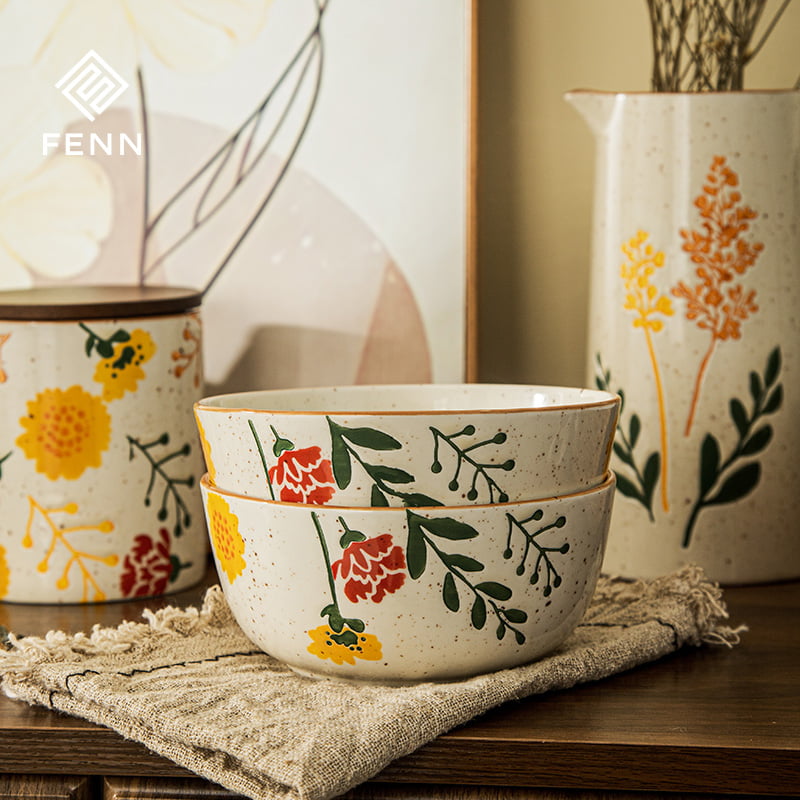
The project is defined as a manufacturing program, not as unverified stock or immediate availability.
Rice, cereal, soup, pasta, serving and specialty bowl profiles can be reviewed.
Body, wall section, glaze, texture and color direction are selected around the use case.
Pattern, decal, hand-painted or branding treatments are assessed for the form and target market.
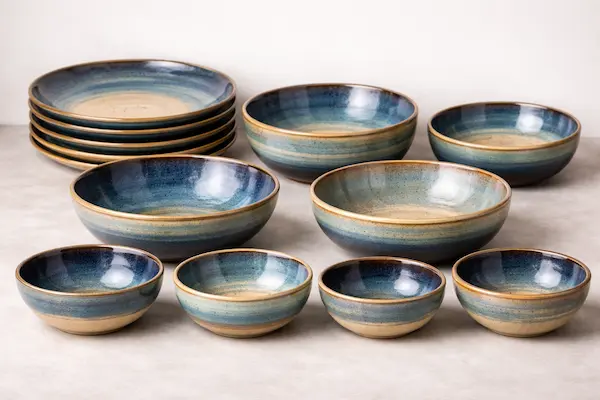
Single-SKU, nested size sets and coordinated dinnerware programs can be planned with suitable protection.
A complete brief makes feasibility, sampling, quotation, packaging, and schedule discussions more useful.
Each buyer concern is connected to a practical production or quality-control consideration.
| Buyer concern | Manufacturing or QC implication |
|---|---|
| Capacity | Define whether the target is brimful or usable capacity and how it will be measured. |
| Stackability | Foot, rim and sidewall geometry affect stack height, separation and handling. |
| Deformation | Diameter, wall section, foot design and firing behavior influence roundness and profile consistency. |
| Rim durability | Rim thickness, contour, handling and packing influence chipping risk. |
| Nested packing | Size progression and contact points should be reviewed to limit movement and pressure during transit. |
Options are evaluated against form, material, decoration, packaging, expected volume, and production feasibility.
Custom diameters, depths and profiles
Gloss, matte, reactive and textured glazes
Hand-painted, decal, relief and logo options subject to feasibility
Coordinated sets with plates, mugs and serving pieces
Retail, e-commerce and export packing structures
Minimum quantities and timing depend on the chosen shape, material, decoration, tooling, packaging, SKU count, and production complexity.
Share the use case, market, expected quantity range, dimensions or capacity, references or artwork, packaging, destination, and timing.
Review form, material, finish, decoration, tooling, performance requirements, packing, and production complexity.
Translate the selected route into physical samples and recorded specifications.
Agree dimensions, appearance, fit, function, branding, and relevant performance criteria.
Plan materials, tooling, decoration, sequence, quantity, and packaging around the approved specification.
Review production against the agreed specification, visual references, dimensions, and relevant quality requirements.
Confirm approved packing, carton identification, destination requirements, and shipping preparation.
Bowl quality review should connect the approved drawing and sample to diameter, depth, capacity, roundness, foot and rim condition, stacking behavior, finish appearance and packing. Food-contact or appliance-use claims must be defined for the destination market and verified for the approved specification.
Yes. Share the target diameter, height, capacity, use case and reference profile. Feasibility depends on the body, wall section, foot, firing behavior, tooling and expected quantity.
Yes. Stackability should be designed into the foot, rim and sidewall geometry, then checked with physical samples for stack height, separation, stability and handling.
Reactive-glaze directions can be developed, but the acceptable range of color and surface variation should be agreed through master samples and production-control criteria.
Provide the destination market, intended food use, decoration zones and any required testing or documentation. Requirements should be confirmed before production and applied to the final approved specification.
Profile complexity, tooling, body, glaze, decoration, number of SKUs, packaging and sample revisions all affect minimum quantities and timing. FENN reviews these after receiving the project brief.
Yes, when the size progression and contact points allow safe nesting. Inner protection and carton structure should be checked with the approved samples and intended shipping route.
Include the use case, target market, expected quantity, dimensions or capacity, references or artwork, performance requirements, packaging, destination, and desired timing.
Discuss Your Bowl Project