Serving formats
Oval and round platters, trays, large bowls and condiment formats can be reviewed.

FENN develops custom ceramic serving ware for retail, hospitality, gifting, and coordinated dinnerware programs. Platters, trays, serving bowls, and condiment pieces are reviewed for scale, balance, handling, deformation risk, glaze, decoration, nesting, expected volume, and export packaging before sampling and production planning.
Discuss Your Serving Ware Project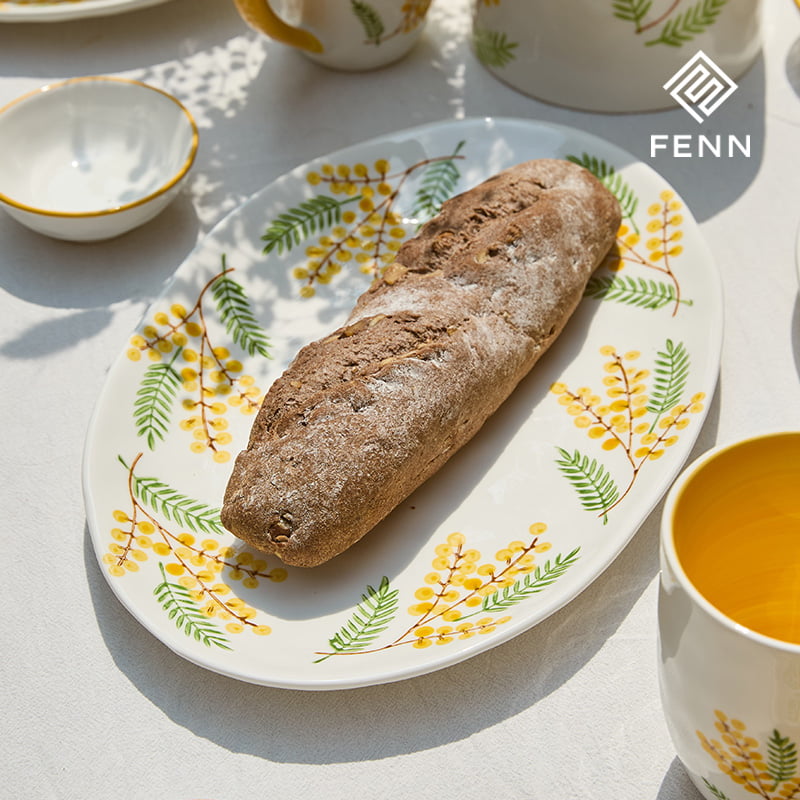
The project is defined as a manufacturing program, not as unverified stock or immediate availability.
Oval and round platters, trays, large bowls and condiment formats can be reviewed.
Profile, wall section, foot and handling are considered alongside firing behavior.
Finish, decoration, edge language and scale can align with a broader dinnerware range.
Nesting, separators, inner protection and export-carton structure are planned around size and weight.
A complete brief makes feasibility, sampling, quotation, packaging, and schedule discussions more useful.
Each buyer concern is connected to a practical production or quality-control consideration.
| Buyer concern | Manufacturing or QC implication |
|---|---|
| Large-form deformation | Length, wall section, foot geometry and firing support affect flatness and profile. |
| Balance and handling | Weight distribution, grip areas and loaded use should be considered before approval. |
| Nesting | Contact points and separators must protect decorated and glazed surfaces. |
| Rim and edge durability | Edge shape, thickness, handling and packaging influence chipping risk. |
| Carton protection | Large or heavy pieces need pack structures matched to their dimensions and shipping route. |
Options are evaluated against form, material, decoration, packaging, expected volume, and production feasibility.
Platters, trays, serving bowls and condiment pieces
Custom silhouettes and coordinated edge details
Glaze, pattern, relief and logo treatments
Matched serving and dinnerware collections
Protective retail, hospitality and export packaging
Minimum quantities and timing depend on the chosen shape, material, decoration, tooling, packaging, SKU count, and production complexity.
Share the use case, market, expected quantity range, dimensions or capacity, references or artwork, packaging, destination, and timing.
Review form, material, finish, decoration, tooling, performance requirements, packing, and production complexity.
Translate the selected route into physical samples and recorded specifications.
Agree dimensions, appearance, fit, function, branding, and relevant performance criteria.
Plan materials, tooling, decoration, sequence, quantity, and packaging around the approved specification.
Review production against the agreed specification, visual references, dimensions, and relevant quality requirements.
Confirm approved packing, carton identification, destination requirements, and shipping preparation.
Serving-piece review should link approved dimensions and samples to flatness, deformation, balance, handling, rim and foot condition, finish, decoration, nesting and pack-out. Food-contact or appliance-use requirements should be defined for the destination market and verified for the final specification.
Yes. Provide the target length, width, depth, use case and design reference. Large-form feasibility depends on body, wall section, foot, forming method, firing behavior and expected quantity.
The development review considers profile, wall section, foot geometry, forming, drying and firing support. Acceptable dimensional and flatness criteria should be agreed against approved samples.
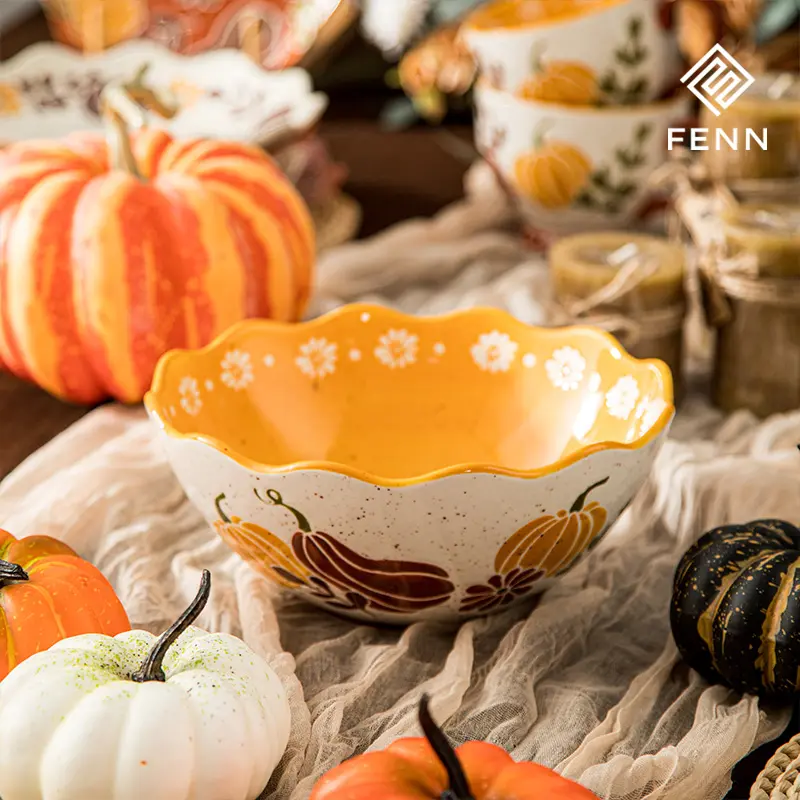
Yes. Physical samples, glaze references, artwork and dimensions help align color, decoration, edge language, scale and set composition with the existing range.
Often, but the design must provide safe contact points and separation. Nesting, surface protection, weight and carton structure should be checked with the approved pieces.
Large-form complexity, tooling, body, glaze, decoration, SKU count, packaging and sampling revisions all influence minimum quantities and timing. These are reviewed from the full brief.
Yes. Share the service format, handling cycle, storage, stacking or nesting needs, food-contact requirements and replacement strategy so the specification can be reviewed for that use.
Include the use case, target market, expected quantity, dimensions or capacity, references or artwork, performance requirements, packaging, destination, and desired timing.
Discuss Your Serving Ware Project