
Short Answer
Dishwasher testing for ceramic dinnerware should assess the finished body, glaze and decoration under a defined washing method. Ask the laboratory to match the method to domestic or catering use, agree on sample quantities and acceptance rules, and record changes against unwashed controls. One casual wash cannot establish repeated-washing performance, and wash results do not replace food-contact testing.
I’m Kitty. One supplier answer would leave me with more questions: “We washed it, and it was fine.” I want to know what went into the machine, what happened during the test, and what someone actually checked afterward.
Let’s follow a decorated mug from the sample shelf to the report. The mug is a planning example, not a FENN test result. It helps us turn “dishwasher safe” into a question the factory and laboratory can answer clearly.
Dishwasher Testing for Ceramic Dinnerware Starts With the Use
For this article, dishwashing resistance means how an item withstands specified washing exposure, judged using agreed inspection rules. It is not a promise that the piece will never fade, chip or crack.
Our example mug has a pale green glaze and a small exterior decal. It will be sold for home use. Before sending samples, I would tell the laboratory that use, the proposed care wording, the decoration process and any retailer requirements.
The BSI EN 12875 series overview distinguishes domestic reference testing, inspection, and rapid methods for domestic and catering ceramics. Ask which part and edition fit the product and buying requirement. “EN 12875 tested” leaves too much unexplained.
A rapid chemical-exposure method and repeated machine washing are not interchangeable descriptions. Do not turn hours in a test solution into a number of household washes without a supported basis.
For example, Intertek’s dishwasher-safe testing overview describes its own performance program and the applicable EN 12875 sections. That is a useful laboratory discussion point, not a universal pass rule for every buyer.
I would also keep home and restaurant use separate. A restaurant may have different equipment, chemicals and handling habits. A domestic result needs a technical review before it supports a catering claim.
My first judgment check: the laboratory quotation should identify the method, edition, use scope, sample needs and reporting basis. A quotation that only says “dishwasher test” needs clarification before payment.
At Sample Intake: Keep an Unwashed Reference
The pale green mug needs its actual decal, including the agreed decoration firing. Sending a plain white mug would leave an important surface out of the assessment.
Record the body, glaze, decoration version, batch and production stage. Development samples may help choose a design, but a specially prepared sample does not automatically represent a later production run.
Ask the laboratory to specify sample numbers. Keep suitable unwashed controls from the same sample group, with enough separation to prevent accidental mixing. Photograph the test pieces and controls before exposure under consistent lighting.
For ceramic glaze dishwasher durability, I want baseline views of the inner surface, rim, exterior, decal and handle joints. Existing pinholes, small chips or surface marks should be recorded now. Otherwise, someone may blame the wash for damage that was already there.
Different colors or decorations need a reasoned grouping decision. “Same shape” is not enough when the glaze or decal changes. A professional supplier explains the differences and lets the laboratory assess the proposed coverage.
A FENN Reference: Define the Decorated Range
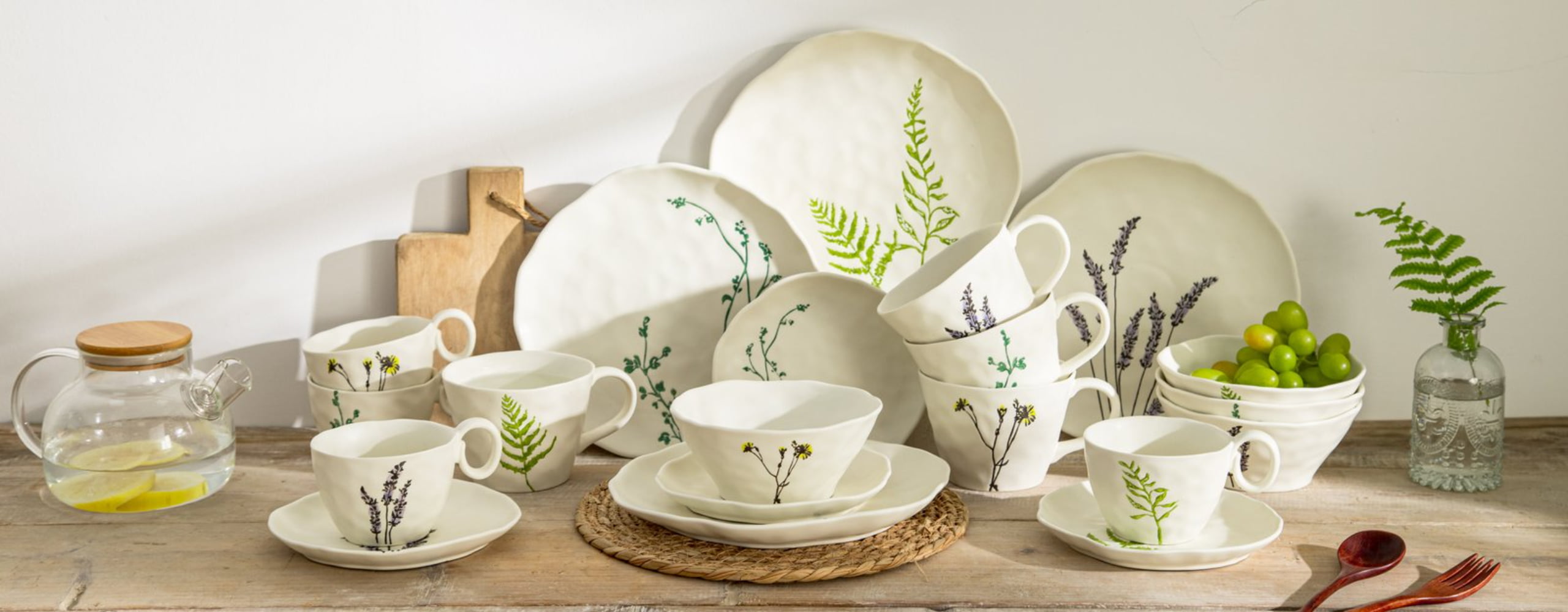
Our Spring Sketch collection shows botanical motifs across cups, bowls and plates. In this FENN product photograph, the shapes and decoration colors vary. I would turn that range into an identified sample list rather than send one convenient cup and assume it covers everything.
Ask which body, glaze and decoration versions the samples represent, and have the laboratory explain any grouping. The photograph shows the assortment, not washing results. I would request the relevant report before agreeing on dishwasher wording for the ordered version; I would not infer its decoration process from the picture alone.
During Exposure: Keep the Conditions Traceable
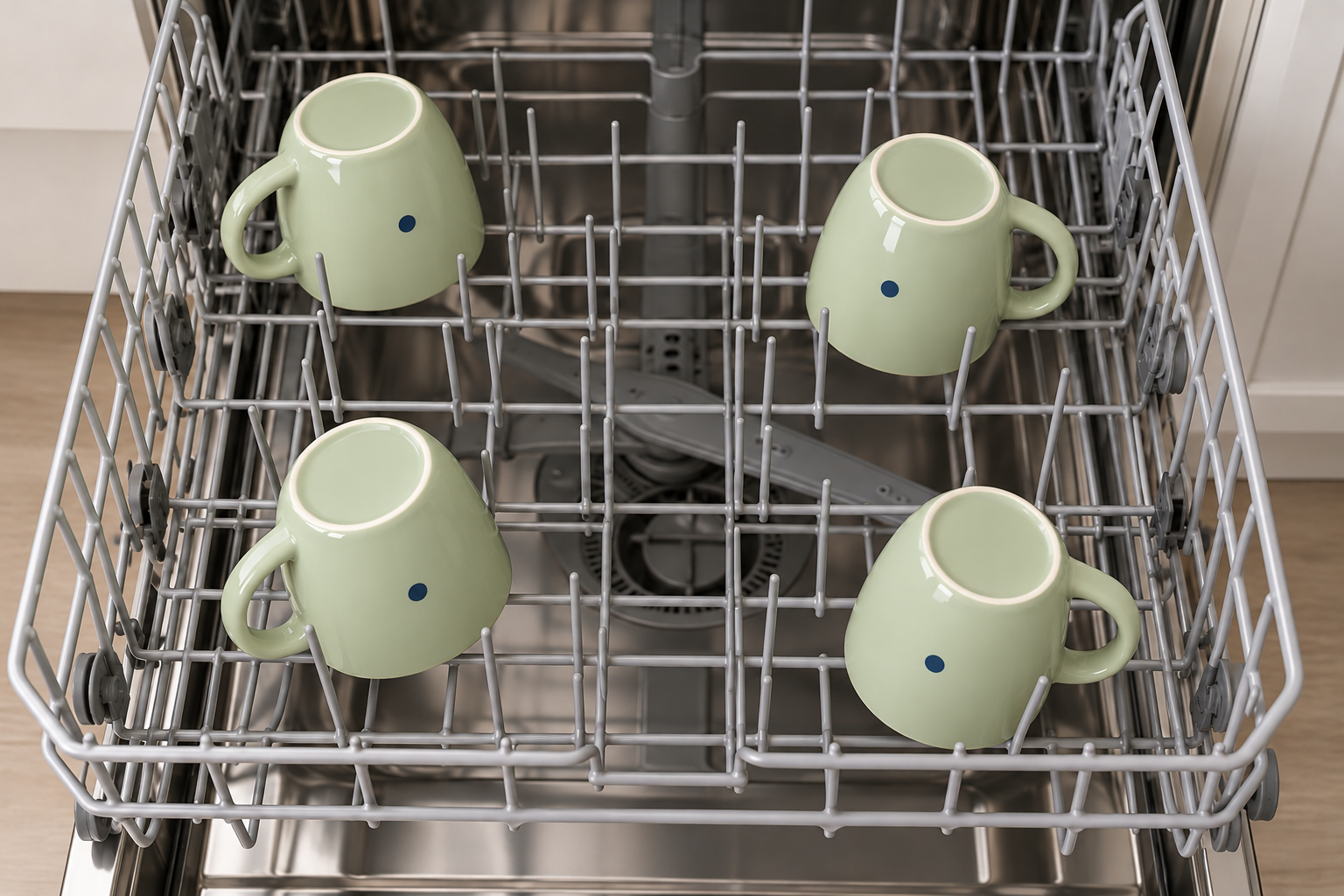
For a machine-wash test, the agreed method should govern the setup. Depending on the method, the record may include machine and program, detergent and dose, water conditions, loading arrangement, rinse aid, drying and completed cycles.
For a rapid method, record the specified exposure conditions instead. Do not create a machine-cycle log for a test that never used a dishwasher.
In an internal factory comparison, I like a loading photograph. It shows whether mug handles touch nearby pieces and whether bowls block spray. Rack contact can cause damage that needs a different explanation from surface wear.
Do not change a standard method casually to make loading easier. Ask the lab to document any permitted adjustment or deviation. A modified procedure must be reported honestly.
Here is a simple wash-test traveler for a machine-wash project. It follows the sample through the work; it is not a replacement for the laboratory method.
| Checkpoint | Record for this run | Stop or review when |
|---|---|---|
| Before exposure | Sample IDs, batch, control IDs, baseline images, method and acceptance reference | Samples or decoration differ from the approved scope |
| Setup | Machine/program, agreed chemistry and water settings, loading photo | Conditions are missing or differ from the plan |
| Each agreed inspection point | Completed cycles, observations by sample ID, comparable photographs | Damage appears, the machine interrupts, or conditions change |
| End of exposure | Actual completed exposure, individual results, deviations and exclusions | A summary hides a failed or removed piece |
| Approval | Report reference, covered SKUs, care wording and reviewer | Proposed wording goes beyond the test scope |
Agree on inspection points before starting. I would not prescribe one cycle count for all ceramic ranges. The method, retailer requirement, intended use and claim must guide that decision.
If a machine stops midway, record it. Do not quietly count a partial cycle as a completed one or restart the count without explaining what happened.
After Exposure: Look for More Than a Broken Mug
Let the samples reach the inspection condition required by the method. Compare each with the unwashed control under the same lighting and viewing arrangement.
On our green mug, I would look closely at the decal edge and color, the glaze shine, and the handle joins. A piece can remain whole while its decoration changes enough to disappoint the customer.
Separate a removable film from lasting change
A cloudy appearance needs investigation. It may involve deposits, or it may reflect a lasting surface change. Have the laboratory use the cleaning and inspection steps allowed by the method, and document the result before and after that step.
Do not polish away a problem with an unrecorded cleaner and call the original test a pass. The report should make clear what was observed and how it was assessed.
Record cracking and contact damage separately
Fine glaze cracks deserve a hold and technical review. Body-glaze fit, firing and exposure can all be relevant to the investigation. A photograph alone will not establish the cause.
A chipped handle where two mugs touched raises another question: was loading consistent with the method, or is a separate handling review needed? Keep the observed damage in the record even when the team later identifies a setup problem.
A dark utensil mark also needs its own assessment. Washing resistance does not automatically prove resistance to cutlery marking or scratching. Those customer complaints may need separate controlled comparisons.
At the Report Desk: Decide What the Result Actually Supports
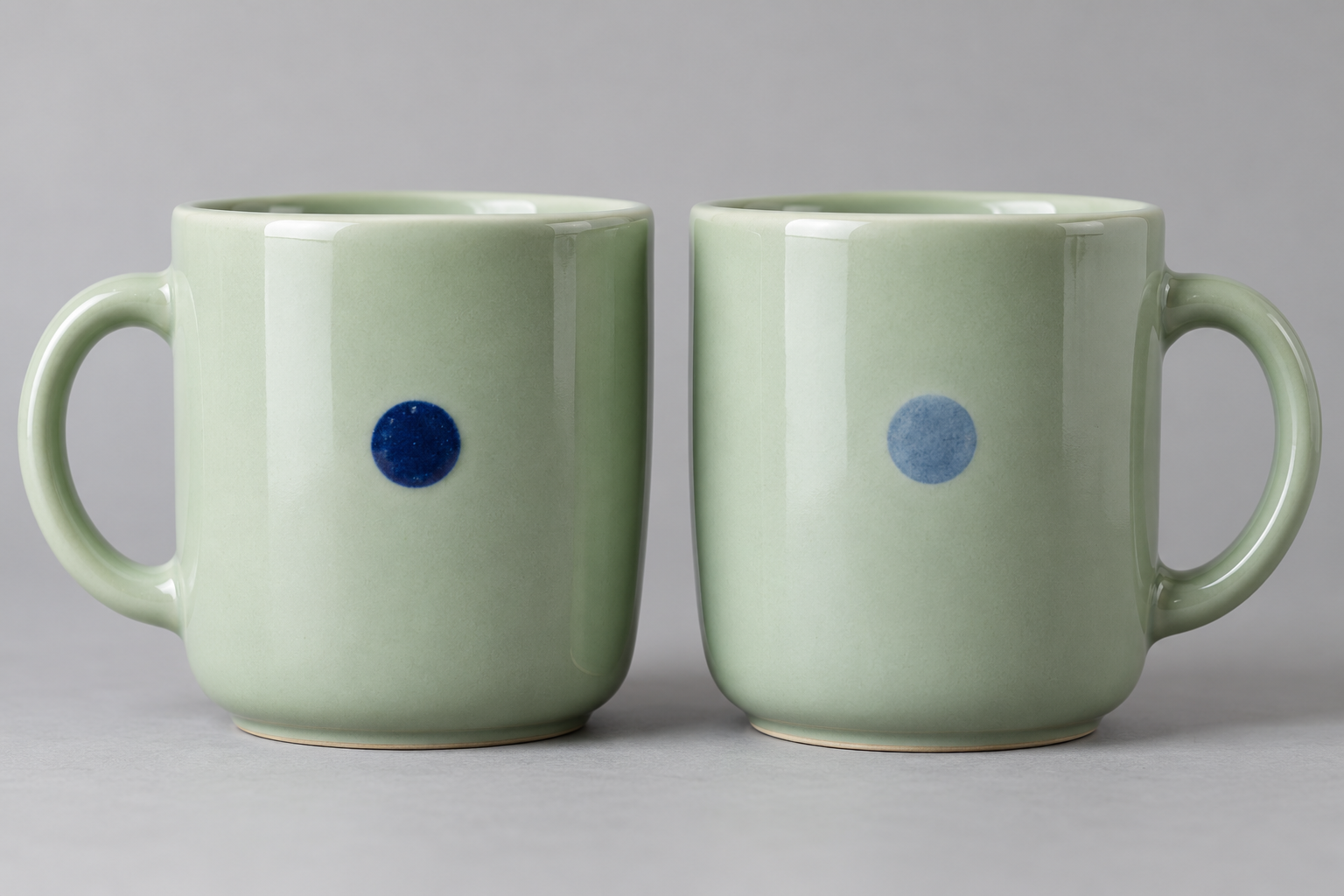
Suppose our fictional mug keeps its glaze appearance, but the decal becomes visibly lighter. The useful conclusion is not “ceramic passed.” The finished decorated product has a result that must be judged against the agreed rule.
I would ask the factory to review the decoration system and firing, then agree on revised samples and retesting. Keep the original failed result linked to the development record. Quietly replacing it with a nicer sample loses information the buyer needs.
Before approving dishwasher safe tableware testing, check that the report includes product identification, method and edition, actual exposure, observations or ratings, and any deviations. Ask for individual results where available, not just a photograph of the best piece.
Food-contact assessment remains separate. The FDA lead in food and foodwares guidance explains a different concern from visible washing wear. A wash result does not establish migration performance. Ask the responsible technical reviewer whether the product and intended use call for any further assessment.
Care wording should match what was evaluated. Do not infer microwave suitability, an oven claim, unlimited washing or a service life in years. If a product or process changes, review whether the existing report still covers it.
My Advice as a Manufacturer
I prefer a clear test plan before the first production order. It gives the buyer, factory and laboratory the same question to answer.
Start with the decorated finished piece, retain an unwashed reference, and agree on what change would stop approval. A beautiful mug with an unclear report creates extra work later.
Good dishwasher testing for ceramic dinnerware connects the product version, exposure conditions, inspection and customer wording. I feel more comfortable with a supplier who explains a disappointing result than one who sends a cropped “PASS” screenshot without context.
Questions Buyers Often Ask
How many dishwasher cycles should I request?
There is no single count for every product and claim. Agree on the method and acceptance basis with the laboratory and retailer. Some ceramic methods use rapid exposure rather than machine cycles.
Is one factory wash useful?
It can reveal an immediate problem and help early development. Record it as an internal check. It is not enough on its own to support broad repeated-washing claims.
Can a plain plate report cover a decorated mug?
Do not assume it can. Shape, glaze, decoration and production history may differ. Ask for a documented technical reason for any product grouping.
Does a faded decal mean the product is unsafe?
Visible fading does not by itself answer a food-contact question. Hold the affected claim and investigate the change. Keep performance assessment and appropriate food-contact assessment distinct.
Can we convert a test result into years of use?
Only with a defensible basis for that conversion. Household routines vary. I would describe the tested conditions rather than invent a lifetime from a cycle count.
Plan the Test Before Approving the Care Label
Share your intended use, finished samples, glaze and decoration details, and retailer requirements with FENN. We can discuss the manufacturing questions to take into your laboratory brief. You can also explore our buyer resources while preparing your sample plan.