
Short Answer
Plate weight matters because it changes hand feel, shipping cost, stack height, staff comfort, breakage behavior, and the value a customer feels. Lightweight is not automatically weak, and heavy is not automatically durable. Buyers should set a target weight range for each shape, then compare production-representative samples for rim strength, balance, warpage, stacking, packed-carton weight, and real daily handling before bulk approval.
When a buyer lifts a plate sample, the reaction is often immediate: “This feels too light,” or “This feels expensive.” I understand that instinct. After more than 20 years in ceramics, I have learned that the first impression matters, but it does not tell the whole story.
Plate weight means the fired weight of one ceramic piece. A useful weight specification includes a target and an agreed tolerance, measured on the approved shape after firing.
The best ceramic plate weight decision is not the lowest or highest number. It is the weight that fits the product’s use, body, shape, price, packing route, and customer promise.
Follow the Plate Through Its Real Use Cycle
I like to judge weight through three moments: carry, stack, and ship. This keeps the discussion practical.
1. Carry: What Does One Plate Feel Like?
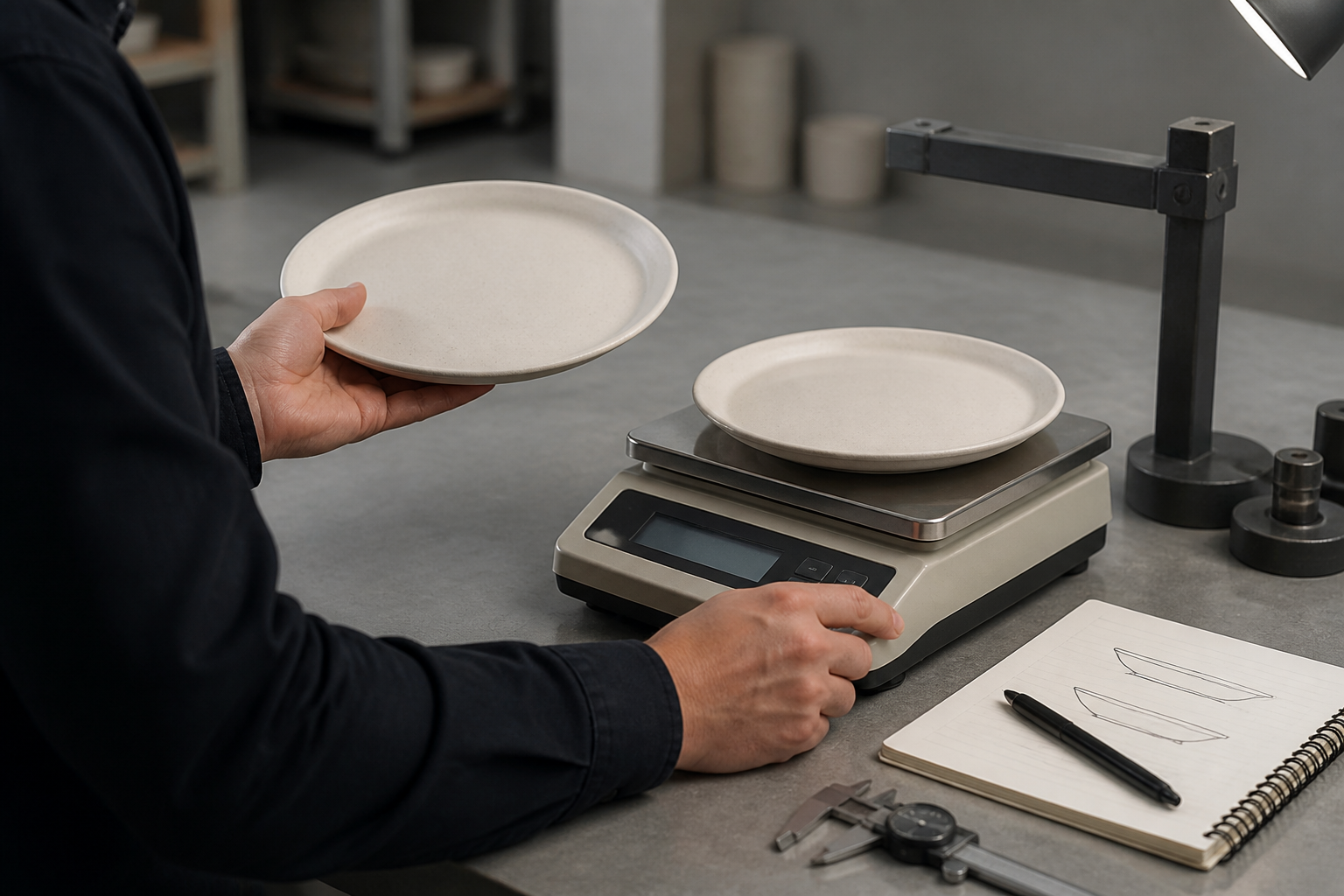
Hold the plate with one hand at the edge, then with two hands as a customer would. Add food or a simple test load. Check whether it feels balanced or pulls at the wrist.
Balance can matter more than the scale number. A wide, thick rim pulls differently from a plate with mass closer to the center. An uneven foot can also feel awkward.
For restaurants, repeat the test with several plates and the normal clearing motion. One plate may feel comfortable while a stack becomes tiring. For retail, compare the plate with the expected price and brand position. Some customers read a little weight as solid and reassuring. Others value easy lifting and compact storage.
2. Stack: What Happens When Weight Multiplies?
Weigh one plate, then calculate a working stack and a full inner carton. A difference of 80 grams sounds small until it is multiplied across 12 plates, many cartons, and thousands of pieces.
Build a stack from several production-representative samples, not only one perfect sample repeated in theory. Measure stack height, check rocking, and look at the contact points. A heavy plate that rests rim-on-rim may still chip. A lighter plate with a stable foot and protected rim may perform better.
Ask whether the intended stack is safe and comfortable for staff, retailers, customers, and shelves.
3. Ship: What Does Weight Do to the Pack?
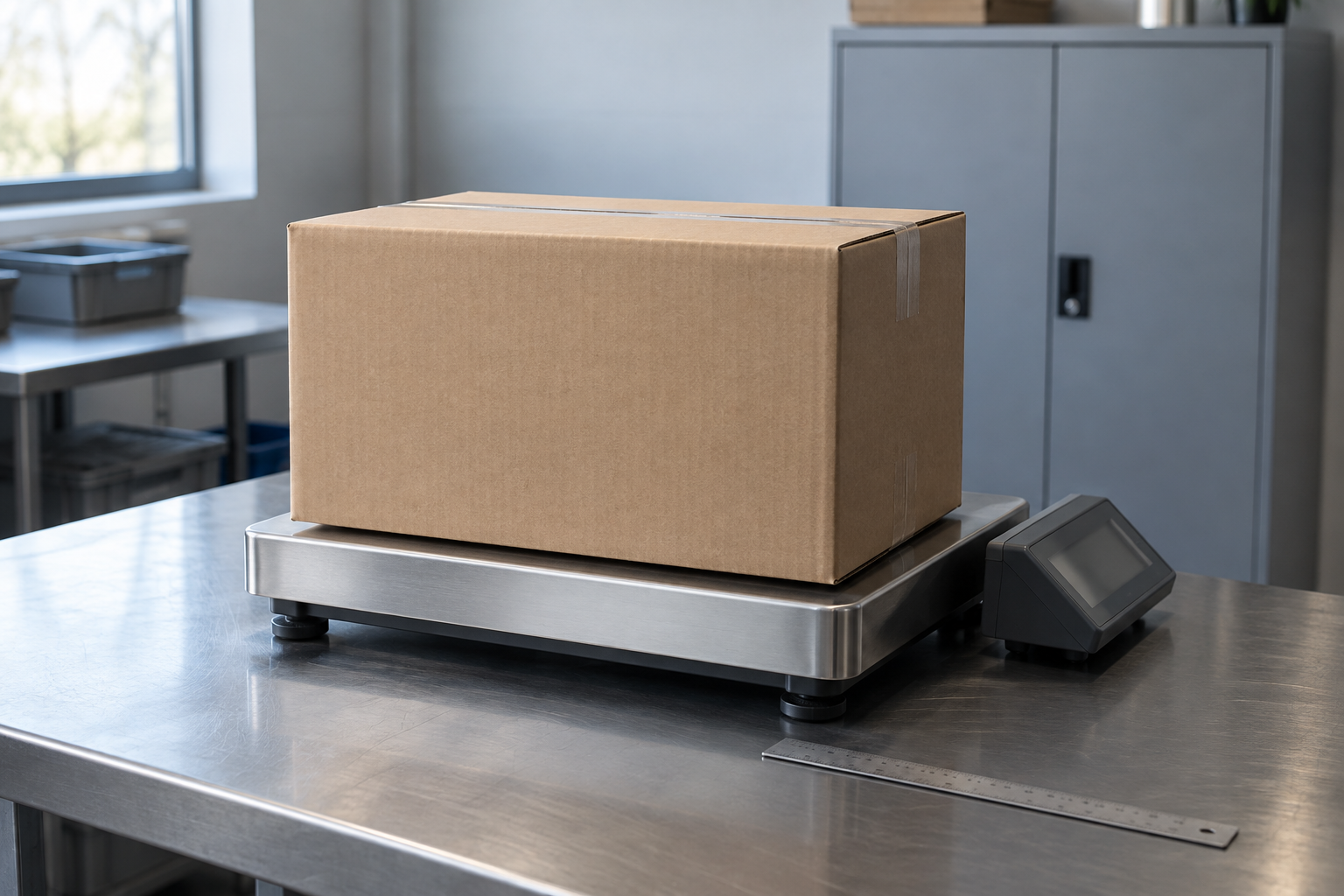
Product weight affects gross carton weight, pallet loading, freight planning, courier handling, and customer returns. It also interacts with carton size. Carriers may charge by actual weight or dimensional weight, depending on the service and shipment.
Use the real pack, not a spreadsheet-only estimate. Record the net ceramic weight, protective-material weight, inner-carton weight, and master-carton gross weight. The UPS dimensional weight guidance is a useful example of why both package size and weight should be checked, although each carrier and contract can differ.
Weight reduction can help freight economics, but a thinner body may need revised protection. Count the saving only after the complete pack survives its route.
Use This Ceramic Plate Weight Decision Tool
Complete one row for every key shape. Do not use one range for an entire collection.
| Decision Point | What to Record | How to Judge the Sample | Warning Sign |
|---|---|---|---|
| Intended use | Home retail, restaurant, hotel, gifting, or ecommerce | Test the real lifting, serving, washing, and storage motion | Weight chosen only from a competitor sample |
| Fired weight | Target plus agreed production tolerance | Weigh several representative pieces on a calibrated scale | Only one showroom sample is measured |
| Balance | Where the mass sits in the hand | Lift from the edge and center; add a realistic food load | Wide rim pulls down or piece feels uneven |
| Rim and foot | Thickness, profile, contact points | Inspect edges and stack contact after handling trials | Thick-looking body but exposed weak rim |
| Stack | Quantity, height, stability, lift-off | Build the intended stack with separate pieces | Rocking, sticking, scratching, or rim contact |
| Pack result | Pieces per inner/master carton and gross weight | Make and weigh the real pack; perform route-appropriate testing | Product gets lighter but carton becomes larger or weaker |
| Customer promise | Lightweight, substantial, easy handling, or commercial service | Match claims to measured samples and use tests | “Durable” is based only on heaviness |
This is not a universal pass/fail standard. It creates a shared decision record for the whole project team.
Why Two Plates of the Same Size Can Weigh Differently
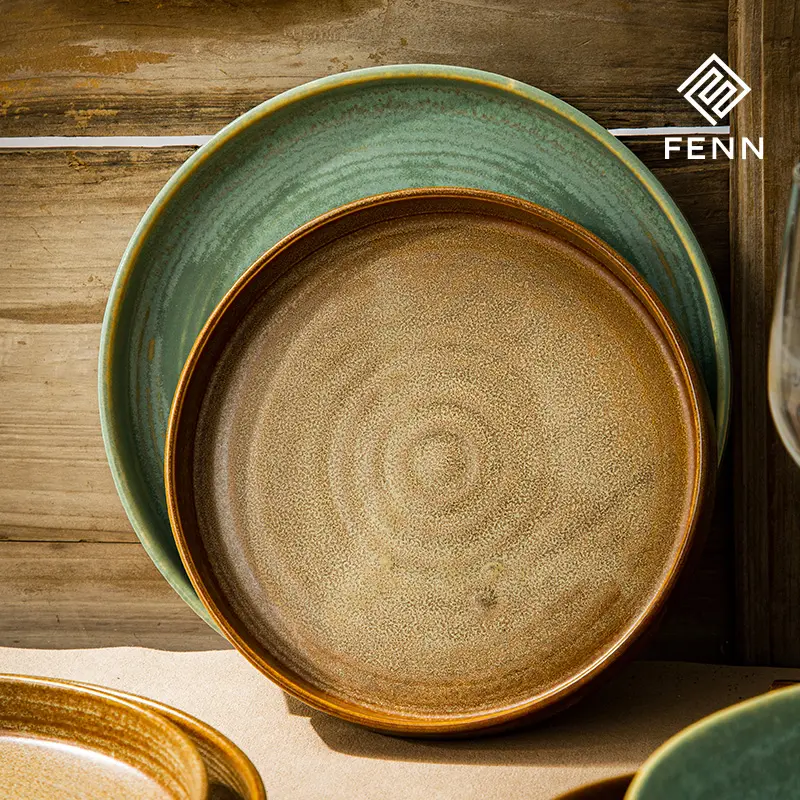
Diameter alone does not control weight. From a factory point of view, several choices work together.
Ceramic Body
Ceramic bodies have different firing behavior, but the body name does not give you a finished weight. Forming, design, thickness, foot, glaze, and shrinkage also matter.
Wall and Rim Thickness
Reducing thickness can affect forming, drying, firing deformation, rim strength, and edge feel. Thickening every area may add weight without protecting impact points.
I prefer a sectional drawing or controlled sample that shows where material is needed. The rim, transition between well and rim, and foot area deserve particular attention.
Shape and Forming Method
A flat coupe, deep-rimmed, and embossed plate of the same diameter use material differently. Forming routes also create different limits.
A professional supplier should explain which parts of the shape drive weight and deformation risk. “We can make it thinner” is not enough. Ask what changes in the mold, process, support, firing, inspection, and pack.
Glaze and Decoration
Glaze adds weight, but control matters more. Excess thickness affects flow, foot cleanup, and consistency. Approve the final body, glaze, and decoration combination, not an unfinished blank.
Lightweight Versus Heavy: Better Questions to Ask
When Can Lightweight Ceramic Dinnerware Be a Good Choice?
Lightweight ceramic dinnerware can suit ecommerce, compact homes, frequent handling, and a clean modern feel. It may also improve carton handling.
But ask for proof in the actual shape. Review fired weight variation, warpage, rim behavior, stack stability, dishwasher fit, and packed-product performance. Thin does not mean poor quality when the design and process are controlled.
When Can Heavier Plates Make Sense?
Heavy stoneware plates may suit casual dining, substantial hospitality concepts, or deep profiles with craft character.
Still, heaviness is not proof of strength. Check rim geometry, foot finish, glaze fit, stack contact, and repeated handling. Also calculate what servers, warehouse teams, shelves, cartons, and freight systems must carry.
What Is the Best Target Weight?
There is no universal number. Compare samples with the same diameter and purpose, select the preferred construction, then agree on a realistic production range.
Do not set a tight tolerance without production evidence. Weight moves with forming, trimming, moisture, glaze, and firing. Ask the factory to measure a representative sample group first.
Approve Weight With Evidence, Not One Sample
My preferred approval pack includes:
- A current drawing with diameter, height, important sections, rim, and foot details.
- Individual fired weights from several representative samples, not only an average.
- Notes on body, glaze, decoration, forming route, and firing condition.
- Photos and results from the intended stack and handling review.
- A real pack-out with net weight, gross weight, dimensions, and piece count.
- Results from a packaging test plan matched to the distribution route; the ISTA testing overview gives useful background on packaged-product testing.
- A retained approved sample and clear change-control record for repeat orders.
If weight is a critical feature, add it to inspection documents. An agreed sampling plan can use a framework such as ISO 2859-1 acceptance sampling, but buyer and supplier must still define the tolerance, measurement method, sample size, and action for an out-of-range piece.
For food-contact dinnerware, weight and thickness changes should also trigger a review of whether existing evidence still matches the product. The FDA guidance on lead in foodwares provides useful U.S. context for ceramic foodware. It does not mean one report automatically covers every body, glaze, decoration, shape, and market.
My Advice as a Manufacturer
Do not ask a factory to “make it 15% lighter” and stop there. Explain why: lower carton weight, easier restaurant handling, a cleaner rim, or a different customer feel. Then let the factory show which parts can change safely.
Approve weight beside the shape, stack, and pack. If a lighter sample warps, chips, or needs a larger carton, it has not saved money.
My simple advice is to choose the lightest plate that still delivers the intended feel and verified performance. For some products, that answer will still be pleasantly heavy.
Questions Buyers Often Ask
Does a heavier ceramic plate resist chipping better?
Not necessarily. Chipping depends on body strength, rim and foot design, glaze condition, contact points, handling, and impacts. Extra material in the wrong place may add weight without protecting the edge.
How many samples should we weigh?
One sample is too little for a production rule. Ask the supplier for data from a representative pilot or production sample and agree on an inspection method. The appropriate count depends on the project, lot, tolerance, and risk.
Should every plate in a set have the same weight feel?
They should feel related, but not equal. A dinner plate, side plate, and pasta bowl have different jobs. Review visual weight, rim language, balance, and lifting comfort across the family.
Can reducing plate weight lower shipping cost?
Yes, sometimes. Calculate the full packed shipment. Carrier rules, carton dimensions, protection, pallet use, and breakage results can change the answer.
When should target weight be fixed?
Set an early direction during design, then fix the production specification after the body, shape, glaze, fired samples, stack, and real packaging have been reviewed together.
Conclusion
Ceramic plate weight decisions should connect hand feel with engineering and logistics. Compare the real use cycle: carry, stack, and ship. Define a target range for each shape, collect representative fired-weight data, inspect the rim and foot, build the working stack, and weigh the final carton.
If you are developing a private-label collection, send FENN your target use, preferred plate size, sample weight, pack quantity, and shipping route. We can help review the shape, target weight, sample evidence, and pack before bulk approval.
Review Your Plate Weight Specification
Contact FENN with your target use, preferred plate size, current sample weight, pack quantity, and shipping route. We can help review your private-label dinnerware shape, ceramic dinnerware manufacturing requirements, and packing plan before bulk approval.