
Short Answer
A ceramic mug gets hot in the microwave because the drink transfers heat into it, or because the ceramic itself absorbs some microwave energy. Moisture in a porous body and certain glaze or decoration choices can add problems. I ask buyers to check the finished mug, handle temperature, use conditions, and supporting test report before approving a microwave-safe claim.
When a buyer tells me, “The coffee is warm, but the handle is too hot,” I want more than a photo of the bottom stamp. Where did the heat appear? Was this a new mug? Had it just been washed?
Those details help turn a vague complaint into a useful investigation. A label matters, but the customer still has to lift the cup.
If a Ceramic Mug Gets Hot in the Microwave, Start Here
Microwave-safe does not mean cool to touch. It describes suitability for a stated use under defined conditions. It does not promise that a mug will stay cool while holding a hot drink.
My first judgment is simple: separate expected warmth from unusual heating, damage, or a handling problem. Do not ask a customer to repeat a painful experience to prove it happened.
| What the customer reports | What it may suggest | My next buyer action |
|---|---|---|
| Warm cup wall around a hot drink | Heat moving from the drink into the cup | Review stated use and handling guidance; do not diagnose a defect from warmth alone |
| Very hot handle while the drink is only warm | Material response, local heating, or a use-condition problem | Pause the microwave recommendation for the affected version pending a technical review |
| Heating changed after months of washing | Possible moisture uptake, surface damage, or another change | Collect history and compare returned and retained samples under laboratory control |
| Sparks, a new crack, or leakage | A potential safety issue needing separate investigation | Stop microwave use of the piece and escalate; do not request another home trial |
This is a complaint-routing tool, not a pass/fail test. A professional supplier should be able to connect the complaint to a product code, production batch, and exact finish. “All our mugs are ceramic” is not a useful answer.
Follow the Heat Along Two Different Paths
The drink can warm the cup
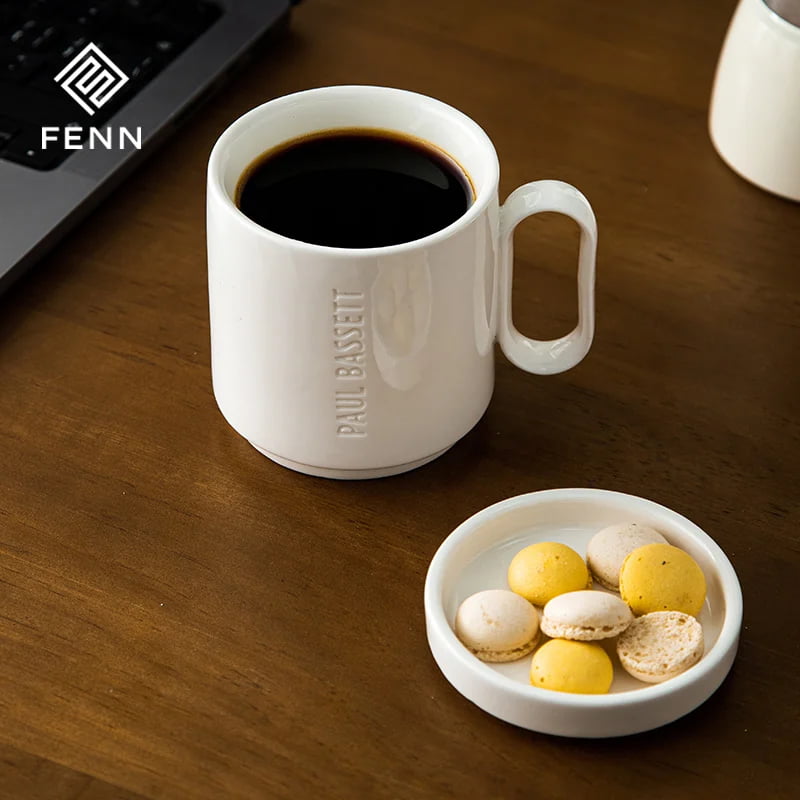
A hot liquid transfers heat into the wall around it. The rim and handle attachments may also warm as heat moves through the piece. The FDA microwave oven guidance explains that containers can become hot from their contents.
That is why I record the drink and cup observations together. A warm wall after reheating a hot drink tells a different story from an unusually hot handle beside a barely warm drink. Neither observation alone identifies the cause.
For a complaint, ask about fill level, starting temperature, heating setting, duration, and appliance mode. A combination oven using a grill or convection setting changes the question. Keep the original customer description rather than translating every report into “microwave failure.”
The ceramic can contribute its own heat
Some ceramic products absorb more microwave energy than others. A material name such as stoneware or porcelain does not settle the question for every finished mug.
Moisture is another route worth checking. A porous body may take up water through exposed areas, including the foot, or through damaged glaze. Body and glaze composition can also affect microwave response. Digitalfire’s microwave-safe ceramic discussion explains these manufacturing concerns.
From a factory point of view, I would review the fired body, water-absorption results, glaze fit, and firing records together. A glossy surface does not tell me how well the clay underneath has matured. Equally, an unglazed foot ring is common and is not proof of a faulty mug.
Ask the supplier what was measured, on which batch, and by which method. I would not turn one absorption percentage into a universal microwave approval rule.
Use the Pattern to Narrow the Investigation
Imagine a retailer has the same mug shape in cream and dark blue. Customers report hot handles only on the blue version. This is a hypothetical example, but it is a useful way to think.
I would not immediately blame the blue pigment. First, check whether both colors really share the same body, firing route, handle profile, and production period. A color name can hide several production differences.
Then give the lab matched samples and the complaint history. Include retained pieces from the affected batch where available. Ask the lab to choose suitable conditioning and compare the relevant versions under controlled conditions.
If the difference follows one finish, investigate that finish and its production route. If it follows one batch across colors, review what changed in that batch. If it appears only in returned pieces, investigate use history and product aging without assuming the customer caused it.
This is the judgment standard I look for: a supplier proposes a comparison that could separate causes. Simply sending a fresh white mug and saying it feels fine does not resolve the blue-mug complaint.
A FENN Mug Reference: Check the Complete Set
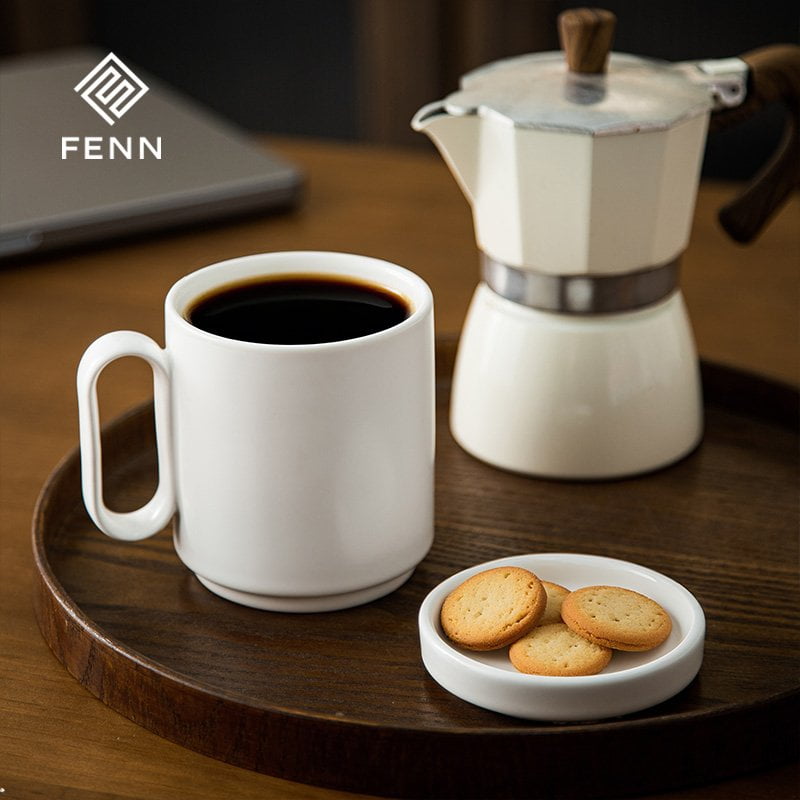
The photographs for FENN’s Porcelain Mug with Lid show a white mug with a tall loop handle and a separate shallow round piece. I would use those details to make the sample brief more exact: identify the mug size, handle profile and the matching lid, then state which parts the microwave claim is meant to cover.
A photograph cannot establish body absorption, handle temperature or a test result. I would ask for the finished samples and the report that matches the ordered version. If a lid is supplied, confirm whether the instructions require it to be removed for reheating; do not assume that a claim for the mug also covers the lid or every assembled configuration.
Give the Handle Its Own Approval Question
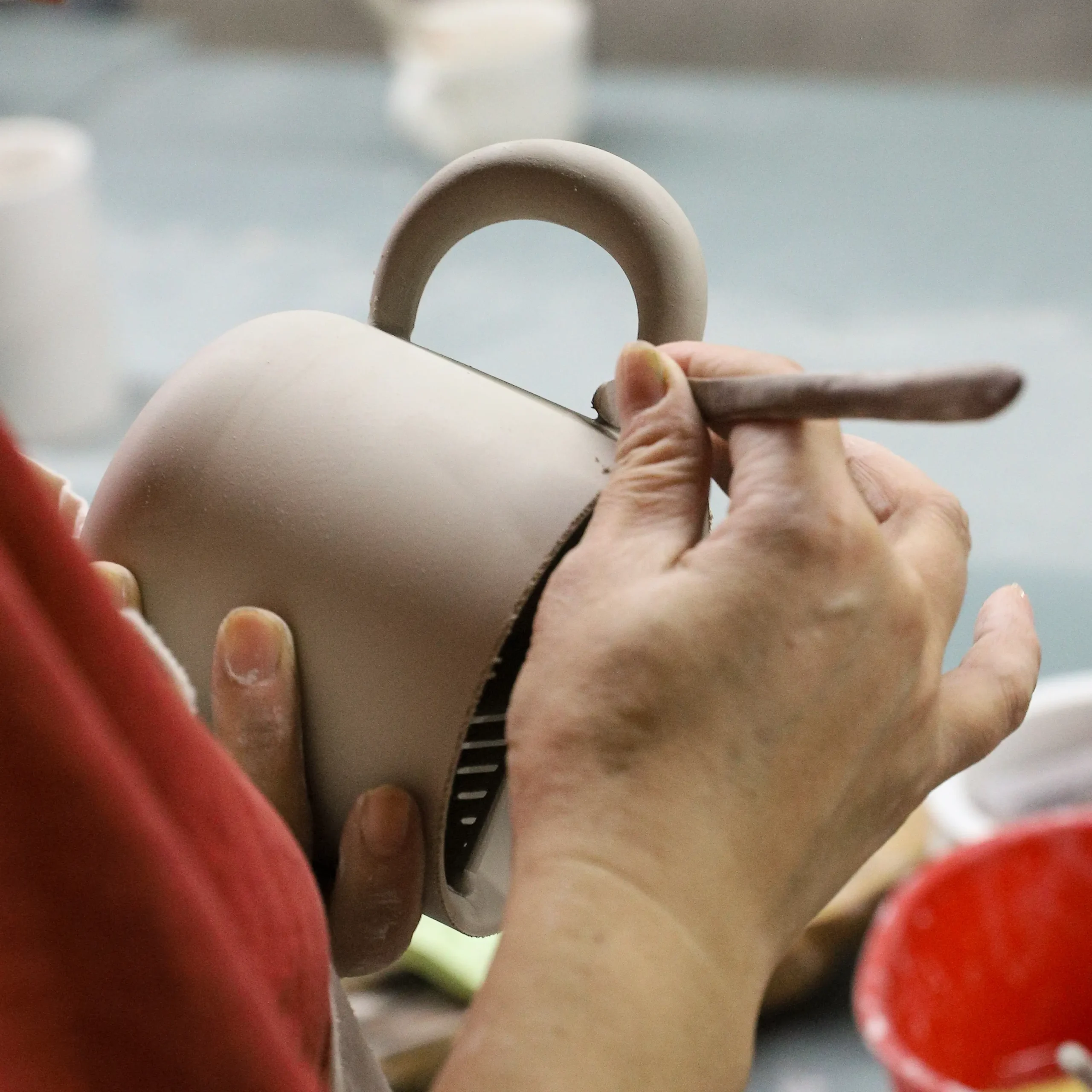
For a microwave safe ceramic mug, I want the handle assessed as a handling point, not merely included in a product photograph.
A generous handle opening may help fingers stay clear of the wall. The attachment shape and section thickness also deserve review. But a larger loop is not proof that it will remain comfortable during the intended use.
Ask for a clear measurement plan covering the relevant handle locations and the body. The report should identify how temperatures were measured and when readings were taken. A long delay can hide the hottest part of the handling period.
An infrared image can help locate a pattern, but glossy glaze and measurement settings can complicate interpretation. I prefer the laboratory to explain its instrument choice and measurement limits. A colorful heat map without a method or sample identity is weak evidence.
Do not use bare fingers as a temperature instrument. The question is whether the product meets the agreed assessment, not whether someone in the sample room can hold it for a moment.
Order a Test That Matches the Claim
ASTM C1607 microwave reheating test scope is a useful starting point for a laboratory discussion. Its published scope covers ceramicware for reheating in consumer microwave ovens, not commercial microwave use or a general cooking claim. It also calls for a thermal-shock assessment before microwave testing.
Ask the lab to confirm the applicable edition, prerequisite work, sample selection, and acceptance criteria. I have not reproduced the full procedure here; a buyer brief should not become an improvised kitchen test.
Before accepting the report, check four things:
- Identity: Does it describe the actual shape, body, glaze, decoration, and relevant production version?
- Coverage: Which sizes and finishes were tested, and what supports any grouping of other products?
- Results: Are individual observations, temperatures where required, damage, and deviations recorded?
- Claim boundary: Does the conclusion support your intended use and exact care wording?
Metallic trim needs particular attention. Do not assume a gold-colored line is a harmless printed color, or that every metallic-looking finish has the same composition. Ask what it is. Keep it out of microwave use unless the finished product is specifically designed, assessed, and marked for that use.
A microwave result does not replace food-contact testing. It also does not prove dishwasher durability, oven suitability, or freezer-to-microwave performance. Those are separate questions for the product-development plan.
My Advice as a Manufacturer
I prefer to resolve microwave use before approving the final decoration. It is much easier to change a rim finish during development than after boxes have been printed.
Keep a reference mug and connect it to the approved body, glaze, decoration, and firing route. If any of these changes, ask whether the existing assessment still covers the new version. Include handle or size changes in that review.
I also read the care copy beside the test conclusion. Avoid “stays cool” unless that separate promise is properly supported. Explain the intended use and handling limits in plain language. Do not invent one heating time for every customer’s appliance.
The FDA also warns about superheated liquids that can erupt when disturbed. Care guidance should follow the appliance and product instructions, including heating limits. A cool-looking drink is not a reason to keep adding time.
Questions Buyers Often Ask
Is a hot mug automatically defective?
No. Heat can come from the drink. Unusual heating, an unsafe handle, sparks, cracking, or leakage needs investigation. The conditions and actual product matter more than the word “hot” alone.
Is porcelain always better than stoneware for microwave use?
I would not approve either by name alone. Review the fired product and its assessment. Body maturity, finish, shape, and production control all matter to the sourcing decision.
Can we approve a whole collection from one mug?
Only if the laboratory can justify that coverage. A taller mug, different handle, new glaze, or metallic decoration may need separate consideration. Ask for the grouping rationale in writing.
Can we check microwave suitability by heating an empty mug?
Do not improvise an empty-mug or empty-oven trial. Ask a competent laboratory to use the appropriate method and controlled load. Follow the appliance instructions rather than copying a casual online test.
Does a “handle with care” warning solve overheating?
No. Handling guidance cannot repair an unsuitable product or excuse a failed assessment. I would resolve the technical issue before releasing the claim or the affected stock.
Bring the Mug and the Use Case Together
If your ceramic mug gets hot in the microwave, begin with the pattern, then match the investigation to the exact product. That gives your team a clearer decision than another generic safety stamp.
For a new FENN project, share the mug drawing, finish, target market, intended reheating use, and proposed care sentence. We can discuss the sample and evidence needs before production. Contact FENN with your sample brief. You can also use the FENN Resources hub to prepare related questions about care claims and product testing.