
Short Answer
To import ceramic dinnerware to USA, connect the finished product to its test evidence, customs description, origin marking, packaging, and sales-channel requirements. Name the importer and filing agents early. Before shipment, ask for matching documents and final carton data, then resolve gaps with your broker and compliance adviser. A supplier’s “food safe” message is not a complete import file.
I prefer to find a missing detail while the bowls are still at the factory. A changed rim color is easy to discuss then. It becomes much harder when a container is moving and three people are asking which report belongs to which product.
My approach is simple: make each handoff clear enough that someone outside the project can follow it. This guide covers ordinary commercial dinnerware buying. Children’s products and unusual uses need their own review.
Use Three Gates to Import Ceramic Dinnerware to USA
I treat import preparation as three decisions: may we place the order, may we approve the final artwork, and may we release the shipment? These are buyer controls, not government clearance stages.
How I judge readiness: the product code should connect the sample, report, purchase order, invoice, and carton. Any difference needs an explanation and an owner. A folder full of unrelated PDFs does not pass that test.
| Buyer gate | Evidence I want to see | Hold this decision if… |
|---|---|---|
| Commit to the order | Intended use, product specification, named importer, broker review plan, testing scope | Nobody owns the destination requirements or the quoted product is unclear |
| Approve print and production | Fired sample, report coverage decision, origin-mark artwork, retailer and warning review | The glaze or decoration changed but the evidence review did not |
| Release the shipment | Final invoice and packing list, carton measurements, inspection record, filing handoff | Quantities conflict, required evidence is missing, or a filing task is unassigned |
A US ceramic dinnerware importer may have one person managing all three gates. That is fine. The important part is keeping the decisions separate, so an attractive sample does not quietly become permission to ship.
Match the Evidence to the Ceramic Piece
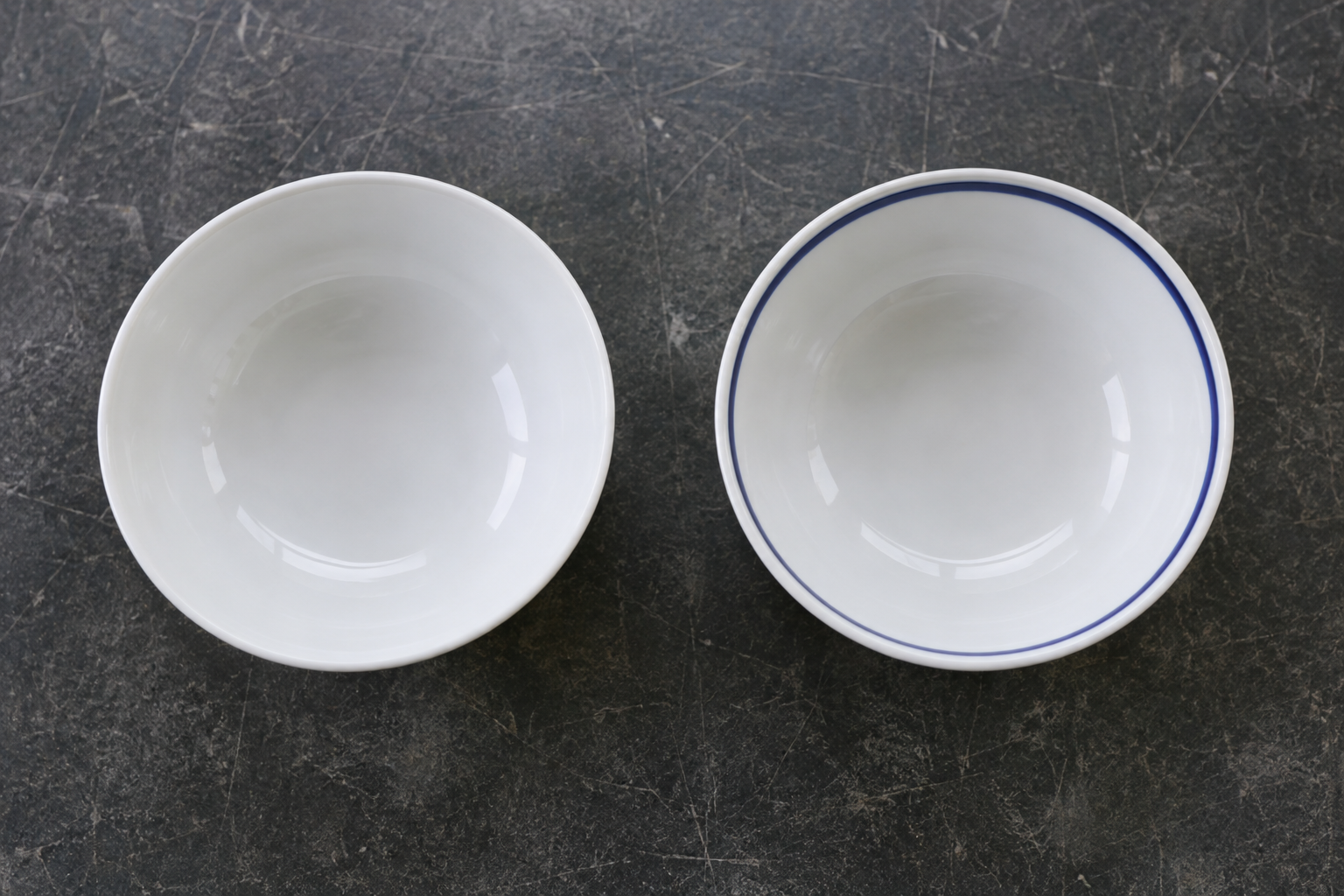
Start with a finished, fired sample. I would record its shape code, material description, glaze, decoration method, decoration location, and intended use. Include clear photos of the interior, rim, exterior, and base where relevant.
FDA foodware guidance explains that lead from pottery can leach into food and points buyers toward FDA ceramicware guidance. For the actual order, ask a qualified laboratory to define the applicable lead and cadmium release testing and product grouping. Do not choose a test category from a catalog name alone.
When reviewing a report, I look for sample identity, testing date, method, results, applicable criteria, and the laboratory’s conclusion. Then I compare that identity with the current order. “Our factory has a report” does not answer whether your decorated bowl is covered.
Here is an illustrative example. A buyer approves a plain white bowl, then adds a blue band inside the rim. The shape has not changed, but the finished surface has. I would pause release of the changed version until the laboratory or compliance reviewer confirms the evidence needed. I would not assume that the white bowl’s report covers it.
From a factory point of view, body, glaze, decoration, and firing conditions belong in change control. Agree which changes trigger a new review. Keep a retained approved sample and identify the production lot it represents. Appearance checks help trace the order; they do not replace chemical testing.
A FENN Product Reference: Keep Each Finish Identifiable
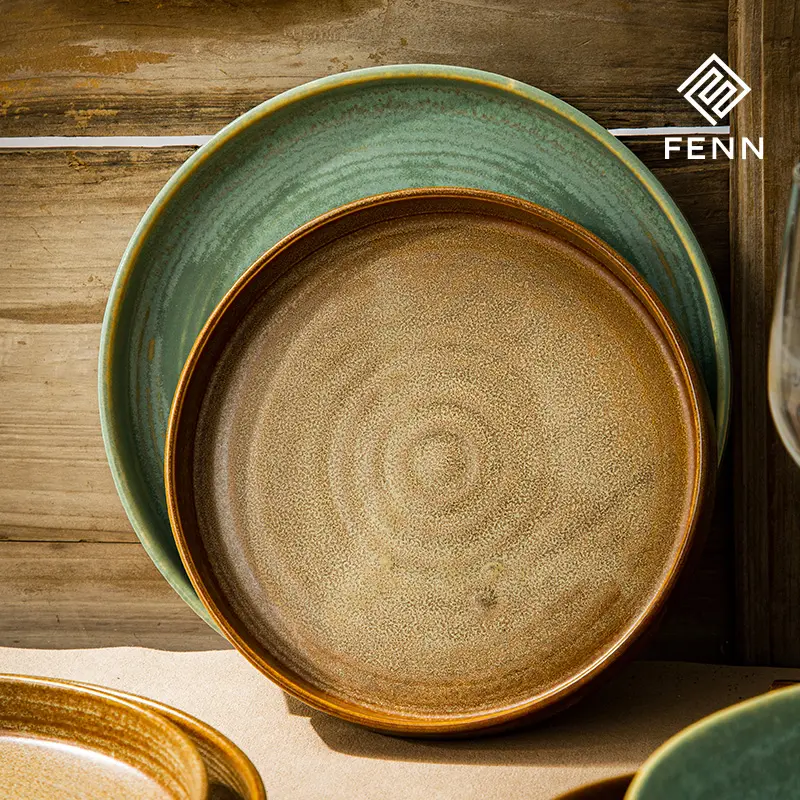
Our Forest Dialogue collection is described as combining natural textures with reactive glaze effects. The product photograph shows green and brown plates with different visible profiles and finishes.
For an import file, I would identify each ordered shape and finish separately, then ask the laboratory which items can share a justified test scope. A collection name is useful for selling a range; it is not enough to identify the tested sample. This product photograph shows appearance only and makes no claim about a particular shipment’s test results.
Put a Name Beside Every Import Task
Before discussing the sailing date, establish who will act as importer of record and who will handle the customs entry. Ask your broker to explain the responsibilities that remain with your business. The USITC classification and importing FAQ is a useful starting point for understanding why a product name or a supplier’s code alone may not settle US classification.
I would send the broker a useful product description early: porcelain or other ceramic body, item type, intended use, dimensions, value, origin, and how pieces are sold. A description such as “kitchen gifts” leaves too much unanswered. Ask the broker what additional details they need for classification.
Have the broker confirm the tariff classification, valuation information, applicable duties, and entry requirements for the actual shipment. Do not build a margin around a duty percentage copied from an old order. This article deliberately gives no tariff rate because origin, classification, and current measures need shipment-specific checking.
The shipping quotation should also name the agreed trade term and place. Ask who arranges freight, insurance, customs work, destination charges, and delivery. A price described as “door to door” still needs a written scope. I want the buyer to know whom to call if goods reach the port but cannot move to the warehouse.
Clear the Sales Channel Before Printing Packaging
The destination address is only part of the story. Ask whether the range will go to independent stores, a national retailer, a marketplace, restaurants, or several channels. Obtain the relevant customer requirements before artwork approval.
For origin marking, show the broker the proposed mark on the actual ceramic piece and the retail package. Ask them to confirm the wording, location, durability, and any applicable exception. Do not assume that a shipping-carton label alone resolves the marking question.
California sales deserve a separate decision. The official Proposition 65 business resources explain that businesses must determine whether their products require warnings. I would ask a qualified adviser to assess the actual product and exposure situation. A food-contact test report should not be treated as an automatic answer to every warning question.
If a warning is needed, have the current wording and placement reviewed for the relevant sales channels before print approval. If no warning is needed, retain the basis for that decision. Adding a warning without review is not a substitute for making a suitable product.
Retailer needs may include barcodes, carton labels, report formats, packaging tests, and delivery-booking data. Ask for a dated requirements document and name the person who approves it. “The retailer usually accepts this” is a weak answer when nobody has checked the current program.
Make the Invoice, Carton, and Product Agree
This is where I slow down and count. A set, an individual piece, an inner pack, and a master carton are different units. Use those words consistently across the purchase order and shipping documents.
For an illustrative order of 120 four-piece place settings, the ceramic total is 480 pieces. If a master carton contains six complete settings, there are 20 master cartons before adding any separately packed spares. The invoice description and packing list should make that structure easy to understand. The broker should confirm the appropriate entry treatment; the arithmetic alone does not decide classification.
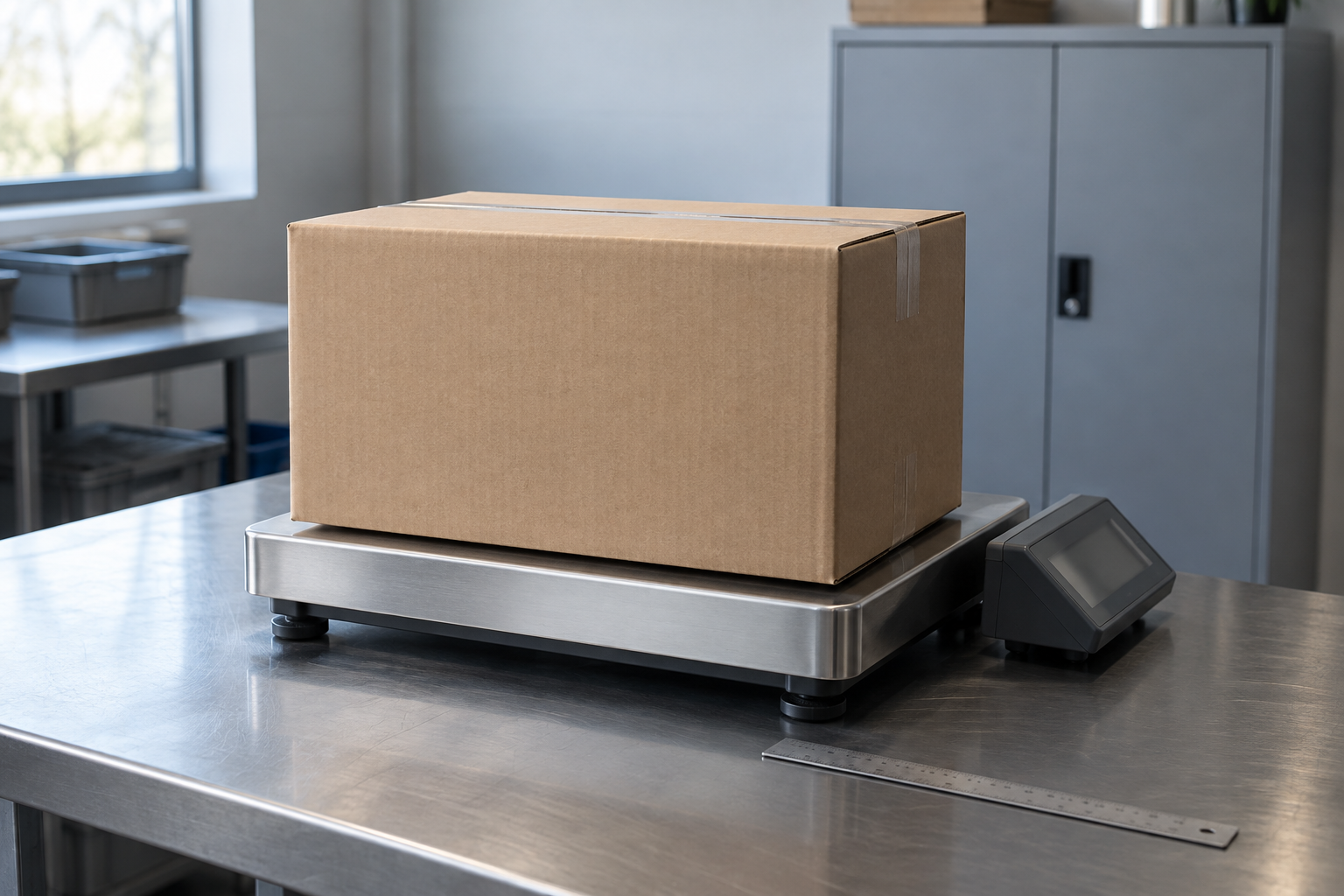
Measure and weigh the final packed carton. Estimates taken before dividers or cushioning are added can become wrong. Record outer dimensions, gross weight, net product weight where requested, carton count, and the SKU or set composition. Clarify the units of measurement.
For ceramic dinnerware, I also want the packing record to show what separates rims, how handles are protected, and whether loose space lets pieces move. Ask for the agreed transport-test evidence for the complete pack and route. A photograph of an intact carton does not prove shipping performance.
Send the warehouse the same carton and SKU information. Confirm its receiving appointment, pallet preferences, unloading arrangements, and damage-report process. These are practical receiving requirements to agree with the destination, not universal rules for every US import.
Close the File Before the Container Moves
For ocean shipments, assign the Importer Security Filing handoff early. 19 CFR 149.2 on ISF timing sets out advance filing requirements and timing differences between data elements. Ask your filing agent to confirm the applicable data, deadlines, and acceptance for your shipment; do not wait for arrival in the US.
My release call would cover four short questions:
- Does every shipped SKU connect to an approved specification and the required evidence?
- Do final quantities and carton data agree across the documents?
- Have the broker, filing agent, and receiving warehouse acknowledged their tasks?
- Are open issues resolved in writing, with someone authorized to release the goods?
Keep the latest approved files together and clearly separate superseded versions. If a factory substitutes a glaze or changes the decoration after approval, reopen the relevant gate. A late change is still a change.
My Advice as a Manufacturer
I would rather receive a clear US import brief before sampling than an urgent document list after packing. Tell me the sales channels, intended users, decoration plan, receiving location, and who reviews compliance.
That lets the manufacturing team prepare the right sample identity and records from the start. It also makes a supplier’s reply easier to judge. A professional response identifies the item, explains what evidence is available, and names any gap. It does not promise that one certificate answers every question.
Questions Buyers Often Ask
Is “FDA approved” enough on a supplier quotation?
No. Ask what specific evidence supports that phrase for the finished item. Review the actual report and its scope with your compliance reviewer instead of treating a sales description as shipment approval.
Can I use the same report for several colors?
Ask the laboratory to justify the grouping. Different glazes or decorations may change the review. Keep the written rationale linking covered items to the report; do not group products only because their shapes match.
Can the supplier choose the US tariff code for me?
A supplier can provide product information and a suggested code, but have your broker review the US classification for the actual goods. Make sure the description covers the body, item type, and set composition accurately.
Do all ceramic products need a California warning?
Do not make that blanket assumption. The decision depends on the applicable requirements and exposure assessment. Use a qualified adviser and keep the basis for the decision with the product file.
Prepare the Order Before Booking the Journey
When you plan to import ceramic dinnerware to USA, build one connected file around the product you will actually receive. That makes it easier to spot a gap while there is still time to fix it.
Contact FENN with your SKU list, glaze and decoration choices, US sales channels, and broker’s document requests. I can help organize the manufacturing details for your review. Explore our Resources for related buyer guides, then bring the open questions to the project discussion.