
Short Answer
For an LCL vs FCL ceramic dinnerware decision, compare packed volume, gross weight, handling, total delivery cost, and stock needs. LCL can suit small launches; FCL can offer more control over a larger load. Ask for a final packing list and quotes with matching scope. There is no single cubic-meter cutoff that works for every shipment.
I understand the appeal of a low shipping quote. But when I review a dinnerware order, I also picture the bowls being moved, stacked, unloaded, and finally counted at the buyer’s warehouse. That is where the shipping choice becomes real.
A lower freight bill helps only if the order still arrives in a condition and quantity you can sell.
What Are You Actually Buying With Each Mode?
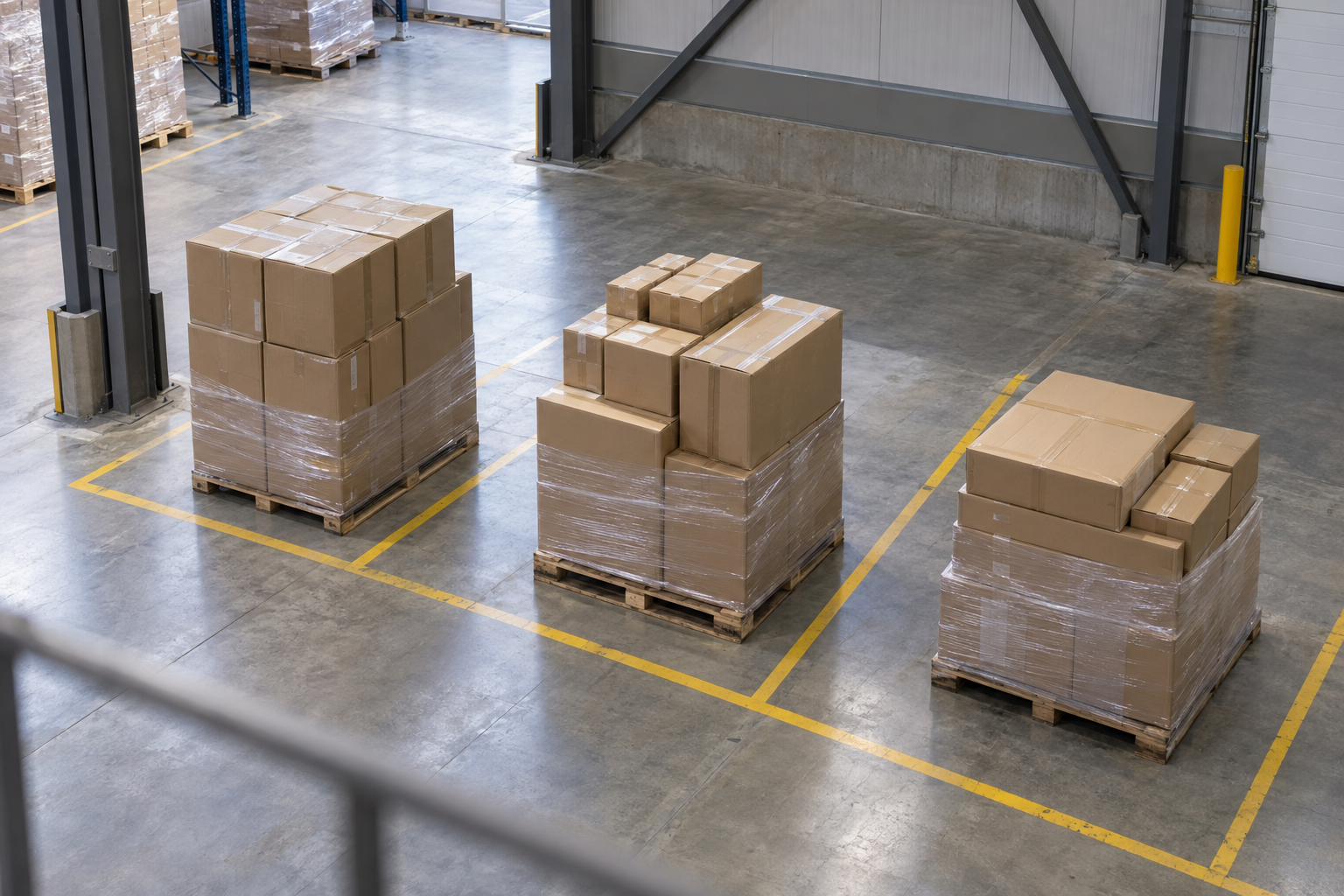
LCL means less than container load: your goods share container space with other shipments. FCL means full container load: you book a dedicated container, even if you do not fill every corner.
LCL normally involves consolidation and separation of cargo at the destination. Ask whether your pallets stay intact through those steps. “Palletized at the factory” does not tell you how the entire route works.
FCL can reduce individual cargo handling between loading and unloading when the container stays sealed. It does not remove vessel transfers, inspections, vibration, or the need for proper packing.
My first question is simple: who will touch the cartons, and where? A useful forwarder reply names the handover points, handling method, and any planned repacking. “We ship fragile goods all the time” is not enough to plan around.
LCL vs FCL Ceramic Dinnerware: Which Fits This Order?
Use this comparison before discussing a container size.
| Your order situation | Route worth comparing first | What would make me reconsider? |
|---|---|---|
| Small launch with uncertain sales | LCL | Local charges, repeated handling, or protection costs erase the saving |
| Regular replenishment with a larger packed load | FCL alongside LCL | The load is still small, or the warehouse cannot receive a container |
| Delicate shapes or expensive decorated sets | FCL alongside a carefully specified LCL service | Poor packing remains unresolved, regardless of mode |
| Several ready orders that you own | Buyer consolidation into a dedicated container | One supplier is late, goods are incompatible, or waiting ties up needed stock |
I would not choose FCL simply because a plate has a delicate rim. First check how the rim is protected. A dedicated container cannot stop pieces knocking together inside a loose inner pack.
Equally, I would not reject LCL just because the product is ceramic. A well-designed pack and a clearly understood route can make a small order practical. The decision belongs to this shipment, not to a slogan about either mode.
Measure the Packed Order, Not the Dinnerware
A plate’s diameter is useful for product development. It is not enough for a freight quote.
Request outer carton dimensions, carton count, gross weight, and the final pallet arrangement if pallets are used. Include pallet height and weight, protective corners, and any overhang. If stacking is restricted, tell the forwarder before pricing.
Here is a simple volume example. Two hundred cartons measuring 0.50 × 0.40 × 0.30 meters occupy 12 cubic meters before palletization. If the actual palletized arrangement occupies 15 cubic meters, send that arrangement for quoting. Do not keep using the smaller carton-only figure.
Ceramics are also heavy. A dinnerware shipping container may reach an allowable weight limit before it runs out of space. Ask the forwarder to check the chosen equipment, load distribution, and inland route limits against the gross packed weight.
DHL’s chargeable weight explanation is useful background for understanding volume and weight in freight pricing. Ask which charging basis, minimums, and rounding rules apply to your actual LCL quote. Do not borrow an air-freight formula for an ocean shipment.
Compare Two Quotes for the Same Shipment
For tableware freight, give both forwarders the same origin, destination, packing list, readiness date, and delivery requirements. Ask them to list exclusions, quote validity, and possible charges if collection or clearance is delayed.
Keep the agreed trade term and named place visible. The ICC’s Incoterms rules help explain the division of delivery responsibilities, costs, and risks. They do not replace a detailed freight quotation.
Then separate the cost lines. This example uses invented USD amounts for one identical order of 2,400 sets. These are arithmetic inputs, not current rates or FENN quotations.
| Cost within the agreed factory-to-warehouse scope | LCL example | FCL example |
|---|---|---|
| Pickup and origin handling | $650 | $800 |
| Ocean transport | $1,100 | $1,800 |
| Destination handling and final delivery | $1,450 | $1,000 |
| Total of these quoted services | $3,200 | $3,600 |
| Quoted services per ordered set | $1.33 | $1.50 |
Here, FCL adds $400, or about $0.17 per ordered set. That is the premium to discuss against handling control and receiving needs. It is not proof that FCL will save money through lower damage.
This narrow example leaves out goods cost, duties, taxes, insurance, and unplanned storage charges. In your real comparison, account for each separately and check whether it changes between options. A heading saying “all-in” should still have a written scope.
For a later performance review, divide actual relevant costs by accepted, usable sets. A carton of intact plates does not repair a shortage of matching bowls. Keep damage and replacement records by SKU, rather than inventing a standard breakage percentage for each shipping mode.
Do not buy surplus stock to improve the freight number
Imagine a new brand needs those 2,400 sets but could fit more into the container. Adding another color may lower freight per set while increasing the cash tied up in goods, storage, and slow sales.
I would ask whether the extra stock already has a realistic sales plan. If it does not, compare FCL partly filled with LCL for the quantity you actually need. Empty space has a cost; unwanted inventory has one too.
Check the Physical Load Before You Book
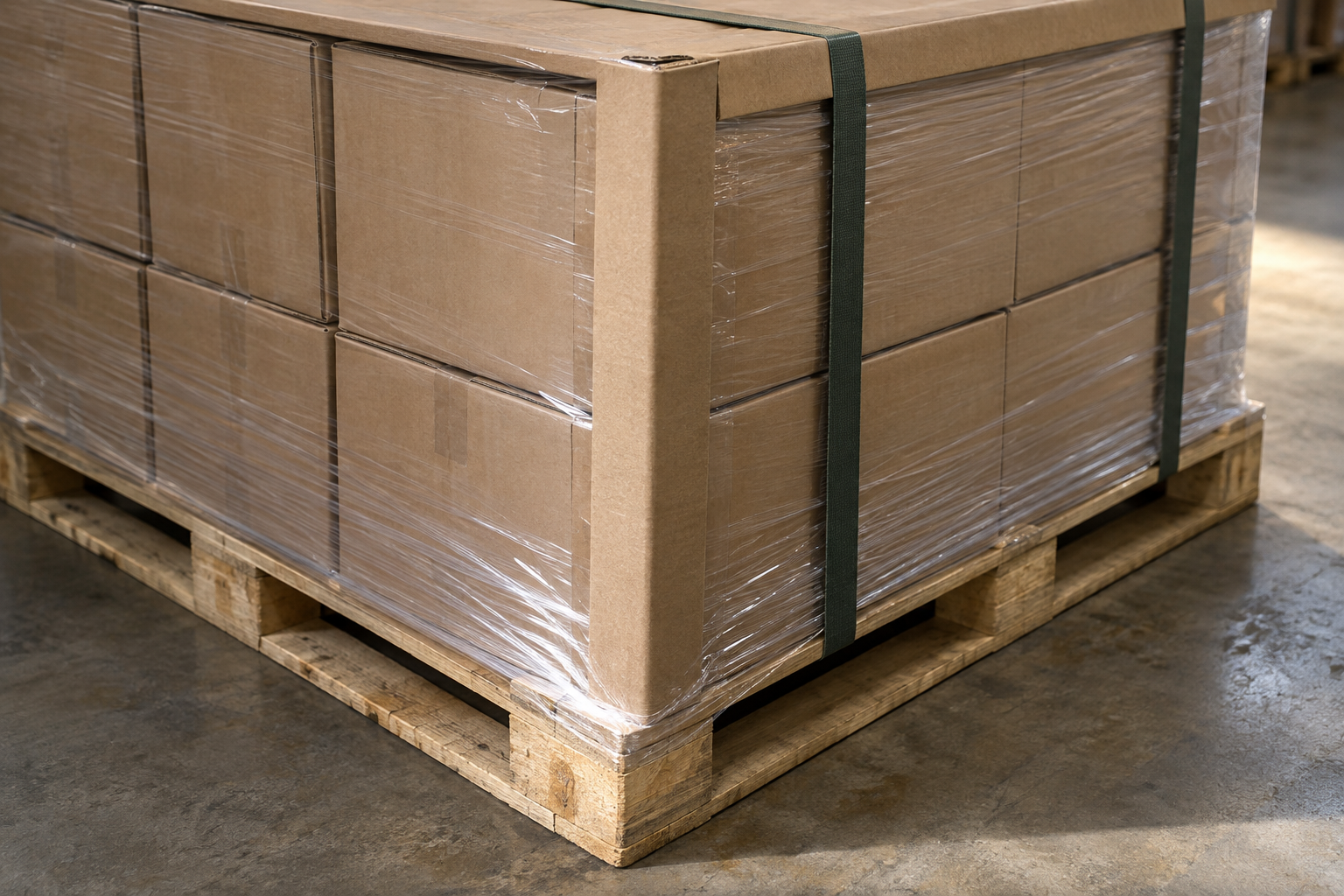
From a factory point of view, the freight decision must reach the packing team. They need to know whether cartons will move individually, as intact pallets, or in another agreed arrangement.
For dinnerware, I look closely at three things:
- Contact inside the carton: separators should keep rims, handles, and glazed surfaces from damaging one another under the expected movement.
- Support through the stack: the approved carton and insert structure should carry the planned load without making fragile ceramic edges act as supports.
- Stability outside the carton: pallet layout, edge protection, and restraint should prevent overhang, crushed corners, and shifting loads.
Stretch wrap alone is not a complete container securing plan. Ask the responsible packer for a load plan suited to the cargo and equipment. The CTU Code provides non-mandatory international guidance on packing and securing cargo transport units; it is not a ceramic product certificate.
Moisture also deserves attention. Sound dinnerware can arrive inside weakened, damp corrugated cartons. Discuss dry packing materials, container condition, and a moisture-control plan appropriate to the route. Adding a desiccant packet does not fix wet packaging.
For validation, discuss suitable ISTA test procedures with a packaging specialist or laboratory. The procedure should reflect the pack and distribution conditions. Ask the report to identify the tested product, packing revision, and result. A video of one carton being dropped does not establish performance for a different pack or pallet load.
Can Your Warehouse Receive What You Book?
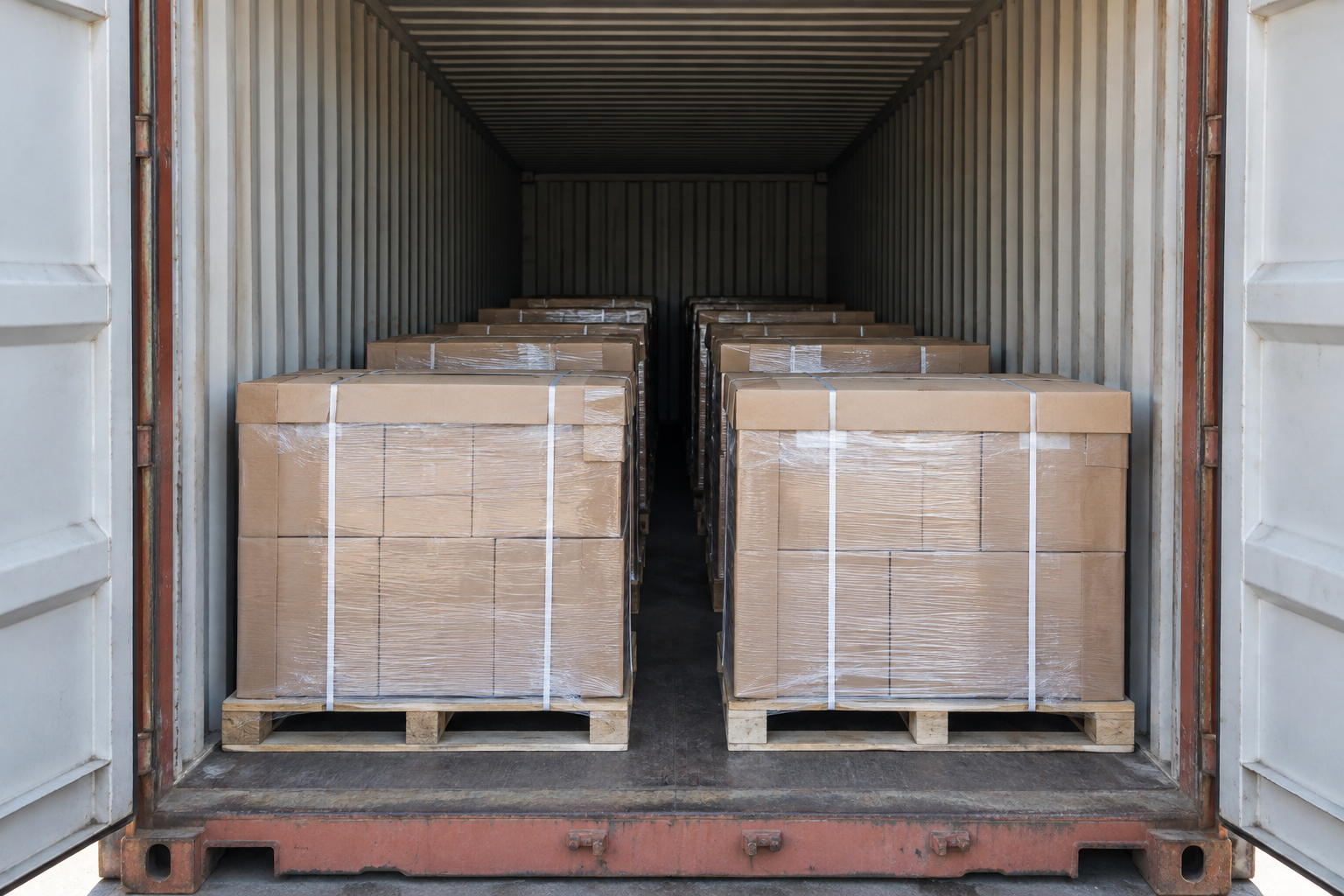
Before choosing FCL, check access, unloading equipment, appointment rules, available unloading time, and the empty-container return arrangement. A buyer who normally receives a few pallets may need a different receiving plan for a floor-loaded container.
For LCL, confirm cargo availability after separation, collection arrangements, and whether final delivery needs special equipment. Compare warehouse-ready dates, not just advertised days at sea.
I also like the receiving team to know the carton and SKU counts before arrival. Agree how they will record wet packs, visible crushing, shortages, and damaged pieces. Keep photos and delivery records, and follow the carrier’s or insurer’s reporting requirements promptly.
My Advice as a Manufacturer
I prefer a buyer to show me the packing list and the two detailed quotes together. Then we can see whether a proposed freight saving depends on weaker packing, extra stock, or an unrealistic unloading plan.
For ceramic dinnerware shipping, I would keep a good protective pack and reconsider quantity or routing before removing the support that protects a vulnerable rim. Small changes deserve another physical review, especially when carton dimensions or stack height change.
Questions Buyers Often Ask
At what volume should I switch from LCL to FCL?
There is no universal cutoff. Compare current quotes using actual packed volume and weight, local charges, handling, and receiving conditions. Ask for both options when the difference becomes worth reviewing.
Is FCL always safer for dinnerware?
No. It can reduce cargo handling, but weak inserts, unstable stacks, or poor securing can still cause damage. Ask what controls actually change with the proposed mode.
Can I combine plates and bowls from several suppliers?
Potentially, through an agreed consolidation arrangement. Confirm readiness, compatibility, packing data, and responsibility for checking each incoming shipment. One late order should not quietly hold up every other order.
Is cargo insurance a substitute for better packaging?
No. Review coverage and exclusions with the provider, including packing-related conditions. Insurance does not supply replacement bowls when your customer needs a complete set.
Conclusion
My approach to LCL vs FCL ceramic dinnerware is to compare the same order, the same delivery scope, and the actual handling plan. Choose the option that fits usable stock, protective packing, and warehouse capacity together.
Explore our buyer Resources for related packaging and order-planning guidance.